
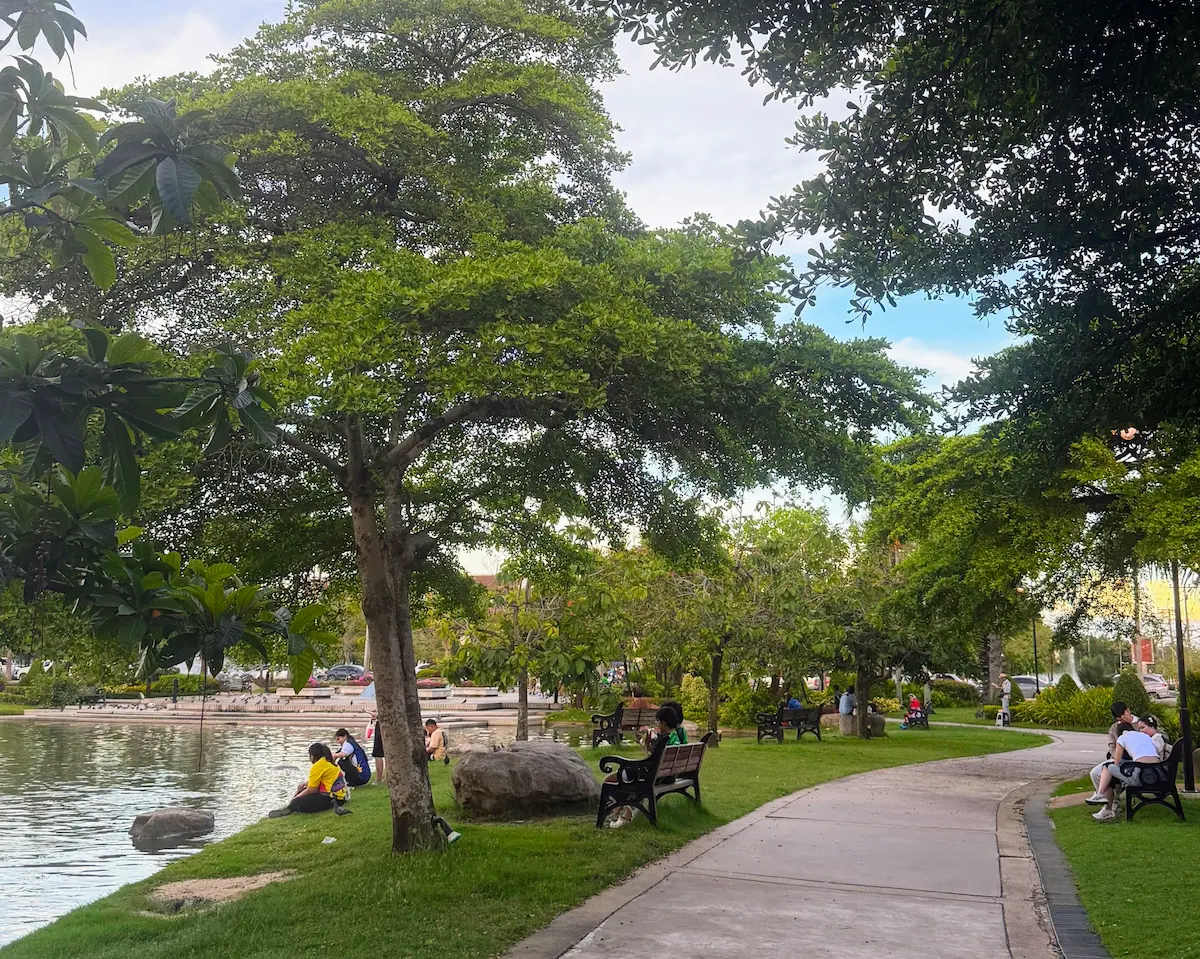
What Slow Travel Actually Feels Like

The Moment Travel Stops Feeling Like a Checklist
For a long time, I thought good travel meant movement.
Early flights. Tight itineraries. Ferry schedules carefully timed against hotel check-ins. Seeing as much as possible before moving on to the next place. I used to measure trips by how efficiently I could fit everything in — how many beaches, temples, cafés, viewpoints, islands, or cities I could experience before the journey ended.
And for a while, that style of travel felt exciting.
There’s a certain energy that comes from arriving somewhere new with a full plan already waiting for you. The momentum keeps you moving forward constantly. Every day feels productive. Every hour feels accounted for. Even exhaustion can start feeling strangely rewarding because it creates the illusion that you’re “doing travel properly.”
But somewhere along the way, I started noticing something uncomfortable.
The faster I moved, the less clearly I remembered anything.
Places began blending together. Airports became interchangeable. Hotel rooms faded from memory almost immediately after leaving them. Some days felt less like experiences and more like transitions between photographs, transport bookings, and checklists I was trying to complete before running out of time.
It wasn’t that I stopped enjoying travel.
It was that I realised I wasn’t fully inside it anymore.
That feeling became especially obvious during slower moments I never originally planned for — rainy afternoons where I stayed in one neighbourhood longer than expected, evenings wandering through places like Banzaan Market at Night, ferry delays that unexpectedly forced me to pause, or quiet mornings where there was nowhere particular I needed to be.
Those moments always stayed with me longer than they probably should have.
Not because they were dramatic or extraordinary, but because they felt real in a way highly structured travel sometimes doesn’t. The pressure disappeared briefly. I stopped trying to optimise every hour. Places stopped feeling like attractions to move through quickly and started feeling more like environments I was actually existing inside.
That’s when I began understanding what slow travel really meant.
Not travelling slowly for the sake of aesthetics or productivity trends. Not avoiding movement entirely. And not pretending every moment becomes magically peaceful once you start taking fewer flights or staying longer somewhere.
Slow travel, at least for me, feels more like giving yourself enough space to actually notice where you are.
The sounds.
The weather.
The routines.
The repeated cafés.
The roads you start recognising.
The market vendors you begin seeing every evening.
The strange comfort that appears when unfamiliar places slowly stop feeling unfamiliar.
The longer I travel, the more I realise those quieter moments are usually the ones I carry home with me most clearly.
Slow Travel Isn’t About Doing Nothing
One thing I misunderstood about slow travel for a long time was assuming it meant slowing life down completely.
I imagined it as endless mornings in cafés, reading books beside the ocean, or spending weeks doing almost nothing in quiet beach towns while the rest of the world continued moving somewhere else. Social media often presents slow travel that way too — calm breakfasts, empty beaches, notebooks beside coffee cups, perfectly timed sunsets, and the idea that travelling slowly automatically creates some kind of permanent peaceful state.
In reality, slow travel rarely feels that polished.
There are still delayed ferries, missed turns, noisy hotel rooms, humid afternoons, uncomfortable bus rides, and days where you feel tired for no obvious reason. You still carry bags through unfamiliar streets, spend time figuring out transport, and occasionally question whether staying longer somewhere was the right decision at all.
What changes isn’t necessarily the difficulty of travel.
What changes is the pressure.
Fast travel often creates a constant sense that you should always be moving toward the next thing. Another viewpoint. Another attraction. Another restaurant someone online told you not to miss. Even relaxing can start feeling scheduled.
Slow travel interrupts that rhythm slightly.
As Condé Nast Traveler recently explored in an article on slow travel, slowing down while travelling is often less about transport speed and more about changing the way we engage with places around us.
Instead of trying to experience everything immediately, you begin allowing places to unfold more gradually. You walk streets more than once. You return to the same café because it feels familiar rather than because it was rated highly somewhere online. You stop planning every hour so tightly and leave room for days to change shape naturally depending on weather, energy, mood, or simple curiosity.
That space changes the feeling of travel more than I expected.
Some of my favourite moments now are the ones that probably sound the least impressive when described out loud — sitting quietly in the same café for the third morning in a row, recognising familiar streets while walking back to a guesthouse after dark, or wandering through places like Banzaan Market at Night without any real goal beyond simply being there for a while.
Those moments would have felt “unproductive” to an earlier version of me.
Now they often feel like the moments where travel becomes most real.
I think that’s because familiarity slowly changes your relationship with a place. The first few days somewhere new are usually dominated by orientation — learning roads, understanding transport, figuring out routines, adjusting to noise, weather, language, and movement. But once that mental effort starts fading slightly, something else appears underneath it.
You begin noticing smaller details.
The way traffic sounds different at certain times of day.
The café that always seems busiest just before rain arrives.
The market vendor who recognises you from earlier visits.
The quiet hour in the morning before a town fully wakes up.
Places stop feeling like temporary backdrops and begin feeling lived-in instead.
That’s the part of slow travel I never understood when I was moving too quickly through everything.
It isn’t really about doing less.
It’s about giving yourself enough time for a place to slowly stop feeling external to you.
Places Start Feeling Different When You Stop Rushing
One of the strangest things about slowing down while travelling is realising how much you failed to notice before.
When you move quickly through places, your attention naturally locks onto the obvious things first — landmarks, attractions, transport schedules, restaurant recommendations, photos you want to take, and the constant mental calculation of where you need to be next. Travel becomes highly directional. You’re always moving toward something.
But once that urgency softens slightly, places begin revealing themselves differently.
You start noticing atmosphere instead of just highlights.
The sound of scooters moving through wet streets after tropical rain. The way certain cafés feel calm in the morning but completely different after dark. The smell of food carts beginning to appear as evening approaches. The small routines unfolding around you every day that tourists moving quickly often never even register.
I noticed this strongly during low season in Phuket.
During busier months, Patong can feel loud, crowded, and constantly in motion. But when the rains begin returning and the high season pressure eases slightly, the entire mood of the town shifts. Roads breathe differently. Markets feel less frantic. Even the pauses between traffic become more noticeable somehow.
A place doesn’t necessarily change physically.
But your relationship with it changes.
That’s something I’ve started thinking about often while walking through places repeatedly instead of only passing through them once.
The first time you arrive somewhere unfamiliar, your brain focuses heavily on navigation and orientation. You’re learning where roads lead, figuring out landmarks, understanding movement, and trying not to feel completely lost. But after enough repeated walks, something subtle begins happening in the background.
You stop looking at the place as a visitor first.
You begin experiencing it more as an environment.
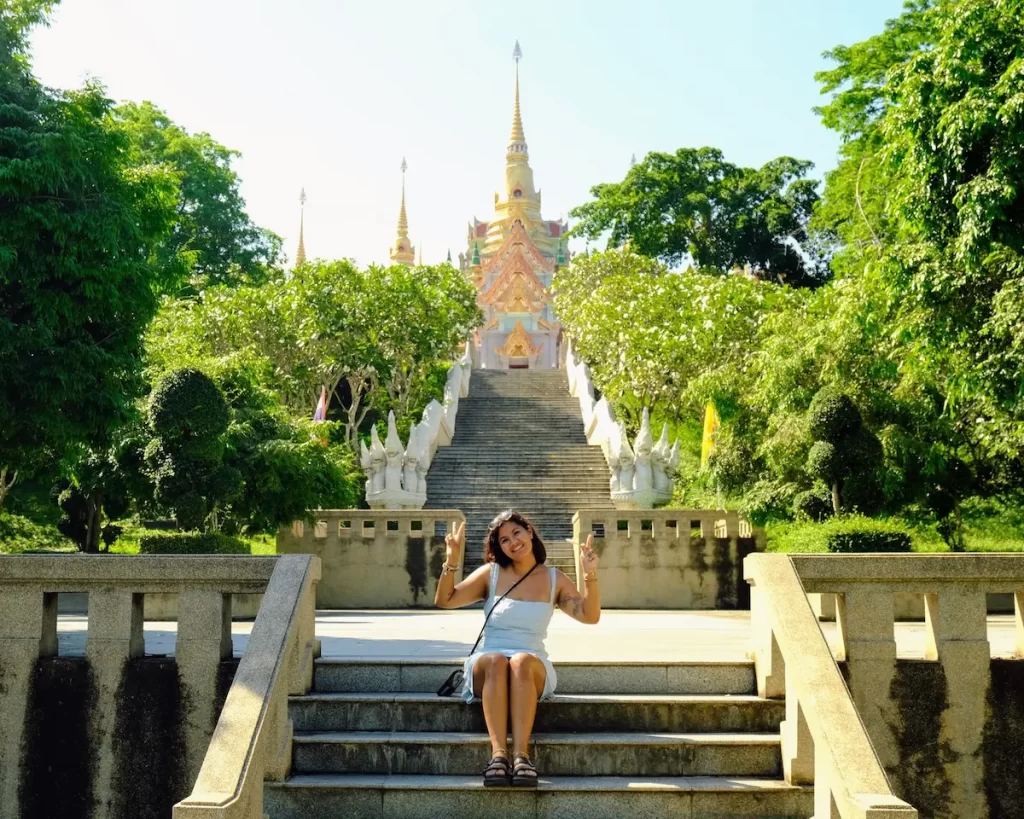
That’s usually when smaller details start becoming memorable.
The fruit vendor arranging produce before the market crowds arrive.
The same ferry worker tying ropes each morning at the pier.
The quiet tension in the air before a tropical storm breaks.
The familiar sound of dishes clattering in a café you’ve returned to several times already.
The feeling of recognising streets that once felt completely unfamiliar.
Those moments rarely appear in traditional travel itineraries, yet they often become the parts of travel that stay with me longest.
I think that’s because fast travel tends to compress places into experiences, while slower travel allows places to develop texture instead.
A city stops becoming “somewhere you visited” and starts becoming somewhere you briefly learned how to exist inside.
That shift changed travel for me more than any destination ever did.
It’s also why I’ve become increasingly drawn toward experiences that leave room for observation rather than constant stimulation. Wandering through Phuket before it wakes Up, sitting through heavy tropical rain instead of hiding from it, or returning repeatedly to ordinary places that slowly begin feeling familiar.
Not because those moments are dramatic.
But because they feel human.
The Strange Guilt of Slowing Down
One thing nobody really talks about with slow travel is the guilt that sometimes comes with it.
Modern travel culture quietly teaches us that movement equals value. The more places you visit, the more productive the trip feels. Entire itineraries are often built around efficiency — how many cities can fit into two weeks, how many islands can be covered in one trip, how many experiences can be squeezed into a single day before moving on again.
It becomes very easy to feel like you should always be doing more.
Even while travelling somewhere beautiful, there can still be a strange pressure sitting underneath everything. Pressure to maximise the opportunity. Pressure to “make the most” of expensive flights and limited time. Pressure to see the famous places because you might never return again.
And social media only intensifies that feeling.
Online, travel often appears as a constant stream of highlights — rooftop bars, viewpoints, island tours, waterfalls, beach clubs, perfect sunsets, and tightly edited moments that make every day seem endlessly exciting. Very little of it shows the slower reality in between. The quiet afternoons. The ferry delays. The evenings spent wandering without plans. The tired days where you simply sit somewhere familiar and let your energy return slowly.
For a long time, I felt guilty during those quieter moments.
If I stayed too long in the same café, part of me wondered whether I should be out “seeing more.” If I spent an evening walking familiar streets instead of chasing another attraction, it sometimes felt unproductive somehow. Even resting could feel difficult because travel had unconsciously become tied to performance in my mind.
I think a lot of people experience that now, even if they don’t always recognise it immediately.
Travel stops becoming purely about experience and quietly turns into optimisation.
That mindset can be exciting for short periods, but over time it becomes exhausting. You begin consuming places faster than you can emotionally absorb them. Days blur together. New experiences stop feeling new because your attention never stays still long enough to fully process anything before moving on again.
Slowing down disrupted that cycle for me.
Not instantly. And not perfectly.
At first, slowing down actually felt uncomfortable. Empty space in the itinerary felt almost wasteful. But eventually I realised something important: some of my strongest travel memories had formed during moments where “nothing important” was technically happening at all.
A rainy afternoon sitting under shelter while Phuket streets flooded briefly beneath heavy tropical rain.
A ferry crossing where everyone quietly watched islands appear slowly through morning mist.
An evening wandering through Banzaan Market with no real destination in mind.
Returning to the same café enough times that the environment itself began feeling familiar.
Those moments carried a different emotional weight than highly scheduled experiences.
They felt calmer.
More grounded.
More human.
And increasingly, those are the moments I find myself wanting more of while travelling.
Not because I’ve lost interest in adventure or movement, but because I’ve realised travel feels very different once you stop treating every day like something that needs to be maximised.
Slow Travel Changes Your Relationship With Food
Food was one of the first things that changed once I started travelling more slowly.
When trips are rushed, meals often become functional without you even noticing it happening. You eat between activities, choose places based on convenience, follow lists of “must-try” restaurants, or rush through meals while thinking about where you need to be next. Sometimes you still eat very well, but the experience remains slightly disconnected from the place around it.
Slower travel changes that rhythm completely.
Meals stop becoming interruptions between activities and start becoming part of the experience itself.
You begin returning to the same cafés not because they’re famous, but because they feel familiar. You remember which food stall makes the curry you liked most. You start recognising the sounds and smells that appear at certain times of day. Even simple routines — morning coffee, late-night snacks, fruit markets after rain — slowly become part of how you emotionally remember a place later on.
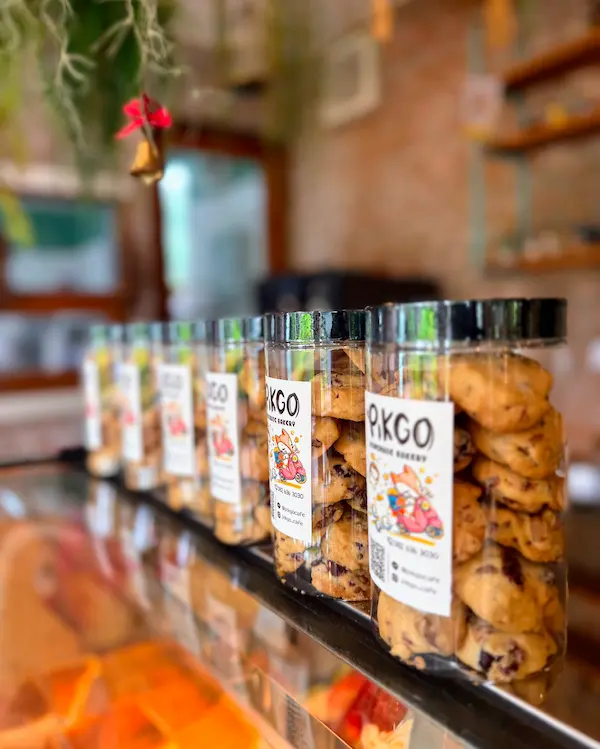 Slower travel changes the way small places feel. Cafés stop becoming quick stops and slowly begin feeling familiar instead.
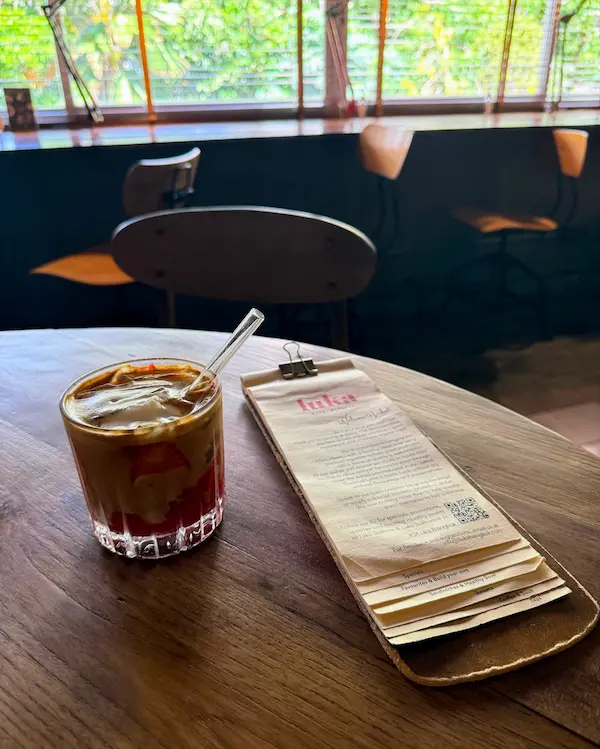 Some of the best travel moments happen during the pauses between plans — coffee, familiar cafés, and enough time to simply sit still for a while.
I noticed this strongly in Thailand.
The longer I stayed in places like Phuket, the less interested I became in chasing only the dishes every travel guide recommends first. Pad Thai, mango sticky rice, and the usual “top foods to try” are popular for good reason, but over time curiosity naturally pulls you further into the everyday rhythm of eating locally.
You begin ordering things simply because they smell good.
Pointing at trays of curries without fully knowing what they are.
Stopping at small roadside stalls because the grills are busy with locals.
Returning to markets repeatedly because the atmosphere itself becomes comforting.
That’s one of the reasons evenings like walking through markets at night.
It wasn’t really about finding the “best” food.
It was about wandering slowly enough for food to become part of the atmosphere rather than just another task inside the itinerary. The smoke rising from seafood grills, fruit stalls glowing under fluorescent lights, cold drinks sweating in humid air, the sound of spatulas tapping against metal plates, conversations drifting through the market while people stood eating casually beside scooters and traffic.
Those moments feel very different when you aren’t rushing through them.
I think food becomes more emotionally connected to memory during slow travel because repetition starts forming attachments quietly in the background. A café stops being just a café once you’ve visited it several mornings in a row. A market becomes familiar enough that you already know where certain stalls are before entering. Even small meals begin carrying emotional texture because they become tied to routines, weather, conversations, or specific evenings you remember clearly later.
Some of my strongest travel memories now are attached to food in surprisingly ordinary ways.
A bowl of soup eaten during heavy rain.
Cold fruit after walking in tropical heat all afternoon.
Street food beside a ferry terminal at sunset.
Coffee during quiet mornings before a city fully wakes up.
Not because the meals themselves were extraordinary, but because they became woven into the emotional rhythm of travelling slowly.
That’s something I never really experienced while moving too quickly through places.
When you slow down enough, food stops feeling like consumption and starts feeling more like participation.
You Start Remembering Smaller Things
The longer I travel, the more I realise most lasting travel memories are surprisingly small.
Not always the famous landmarks or carefully planned activities people usually expect you to talk about afterward, but the quieter moments surrounding them. The things that seemed almost insignificant while they were happening at the time.
A particular street after rain.
A ferry slowly pulling into a harbour at sunrise.
The sound of market stalls packing down late at night.
The comfort of recognising a familiar shortcut back to a guesthouse.
The feeling of warm humid air after stepping outside a café.
The strange calm that appears during the quiet hour before a city fully wakes up.
Those are often the moments that stay with me longest now.
I think fast travel sometimes leaves very little room for those smaller memories to settle properly. When every day is tightly packed with movement and activities, experiences begin stacking on top of each other too quickly. One attraction replaces the next before the previous one has even been emotionally processed yet.
Slow travel changes the pace enough for smaller details to become visible again.
You begin remembering how places felt instead of only what you did there.
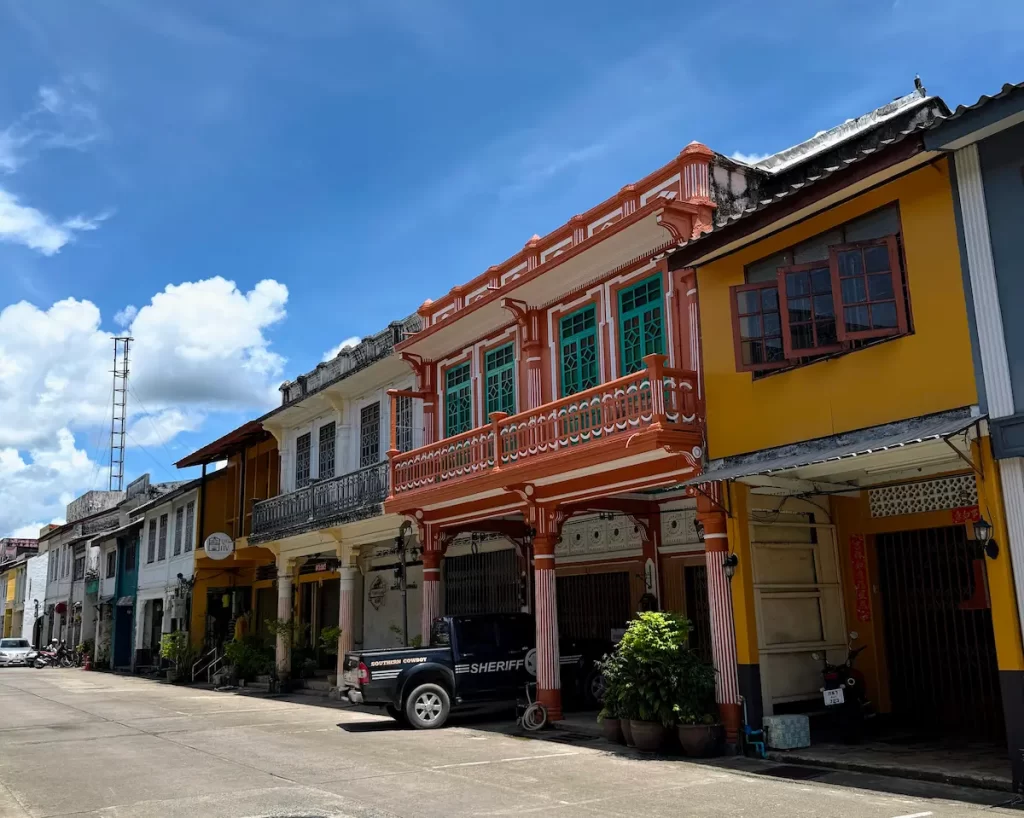
That difference matters more than I expected.
I can still remember evenings where technically “nothing happened” — sitting quietly beside rivers in Bangkok while watching reflections move across the water, wandering through markets, listening to distant thunder rolling across Phuket before heavy rain arrived, or returning repeatedly to cafés that slowly started feeling familiar enough to briefly resemble routine.
Those memories stay vivid because they carried emotional texture.
Not performance.
Not urgency.
Not pressure to maximise the experience.
Just presence.
And strangely, the slower I travel, the more those ordinary moments seem to multiply.
You notice how weather changes the emotional atmosphere of places. You begin recognising rhythms that tourists moving quickly rarely experience — morning deliveries arriving before streets fully wake up, market vendors preparing for the evening crowds, ferries unloading quietly at sunrise, cafés filling gradually as rain begins outside.
Places stop feeling like attractions viewed from the outside and start feeling layered instead.
That’s probably the biggest change slow travel created in me.
It taught me that memorable travel isn’t always built from extraordinary moments. Sometimes it comes from allowing ordinary moments enough space to become meaningful on their own.
The smell of food smoke drifting through humid night air.
Wet roads reflecting neon after tropical rain.
The sound of traffic outside an open market.
The familiarity of walking streets that no longer feel completely unfamiliar.
Those are the things I seem to carry home most often now.
Slow Travel Feels Less Like Escaping and More Like Living
I still enjoy movement while travelling.
I still love arriving somewhere new, figuring out unfamiliar streets, catching ferries between islands, watching landscapes slowly change through bus windows, and feeling that small rush of uncertainty that comes with stepping into places you don’t fully understand yet.
Slow travel didn’t remove any of that for me.
If anything, it made those experiences feel sharper and more meaningful because I stopped treating every destination like something I needed to conquer before time ran out.
That’s probably the biggest shift.
Travel started feeling less like performance and more like temporary life.
The longer I stayed somewhere, the more ordinary routines quietly began forming around me. Morning coffees stopped feeling like “travel activities” and simply became part of the day. Certain roads became familiar enough that I no longer needed maps. Markets, cafés, ferry terminals, and evening walks slowly stopped feeling completely foreign.
There’s something strangely comforting about that transition.
Not because unfamiliar places suddenly become home, but because you briefly stop existing only as a visitor moving quickly from one highlight to the next. You begin participating in the daily rhythm around you instead, even if only for a short time.
I think that’s why slower travel feels emotionally different.
You’re no longer standing outside every experience trying to capture or optimise it before moving on again. You begin allowing places to exist around you more naturally. Some days become productive. Other days drift more slowly. Weather changes plans. You revisit the same streets. You notice routines forming quietly in the background.
And somehow, those ordinary rhythms often become the most memorable part.
The older I get, the less interested I become in trying to “see everything.”
Not because curiosity disappears, but because I’ve realised depth and speed rarely coexist very well. The trips that stay with me longest are usually the ones where I allowed enough space for places to gradually unfold instead of constantly chasing the next thing waiting further ahead.
A market after rain.
A repeated café visit.
A familiar evening walk.
A ferry crossing at sunrise.
A slow dinner without checking the time.
The feeling of recognising streets that once felt unfamiliar.
Those are the moments that changed travel for me.
And maybe that’s what slow travel actually feels like in the end.
Not doing less.
Not escaping life.
Not perfectly peaceful days beside the ocean.
Just giving yourself enough time to fully notice where you are before moving on again.
A Few Things People Often Ask
What is slow travel?
Slow travel is a more intentional style of travelling focused on spending longer in places, reducing constant movement, and allowing more space for observation, routine, and deeper connection with the environment around you.
Does slow travel mean doing less?
Not necessarily. Slow travel is less about avoiding activity and more about reducing pressure and rushing. You can still explore actively while travelling at a slower pace.
Why do people enjoy slow travel?
Many travellers find slow travel more emotionally grounding because it allows places to feel more immersive, familiar, and memorable rather than constantly moving between tightly scheduled experiences.
Is slow travel cheaper?
It can be. Staying longer in one place often reduces transport costs, encourages simpler routines, and makes it easier to avoid constantly spending money on rushed tourist activities.
Can slow travel reduce travel burnout?
For many people, yes. Slowing down can reduce exhaustion by creating more flexibility, rest, and emotional breathing room between travel experiences.
About Sonia
Sonia writes reflective travel stories focused on atmosphere, emotion, and the quieter side of experiencing new places. Through markets, ferry rides, cafés, rainy streets, and slow everyday moments, her work explores what travel actually feels like beyond itineraries and tourist highlights.
Rather than chasing constant movement or “must-see” checklists, Sonia Adventures focuses on grounded travel experiences, emotional observation, and the small moments that often stay with us long after a journey ends.
Related reading: The Feeling of Walking Through Banzaan Market at Night
Related reading: Why Travel Feels Different After Dark
Related reading: The Emotional Side of Leaving a Place
